



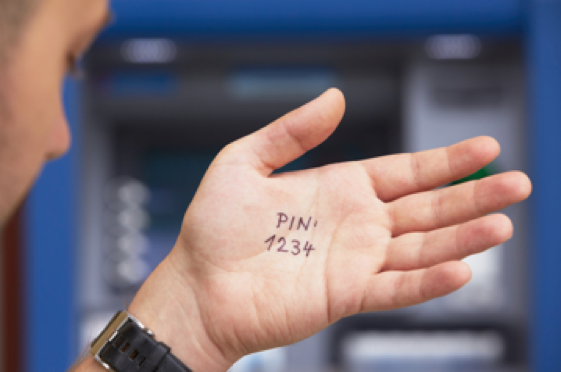
 From the 1970s through the 1990s, customers’ experiences evolved quickly with the introduction of technology like ATMs, CRM systems, touchscreen kiosks, and interactive voice response systems. Companies were the early adopters. They used the then-new tech to operate more efficiently and profitably—mostly by shifting work from a company’s payroll to its customers’ shoulders. The corporate approach to “service” was to take away the personal smiles and let you do more of the work. Self-service was born.
In the mid-2010s, technology is changing customer experiences again, but on a grander scale and in a much more intelligent way. We don’t have to go to where the tech is to get something done—it simply surrounds us 24×7. For most people, there are only a very few minutes in a day when they are not within arm’s reach of technology that connects them to the world through an invisible network that gives them what we would have called science fiction super powers twenty years ago.
Now, tech-enabled, intelligent experiences can deliver value beyond smiles with service.
From the 1970s through the 1990s, customers’ experiences evolved quickly with the introduction of technology like ATMs, CRM systems, touchscreen kiosks, and interactive voice response systems. Companies were the early adopters. They used the then-new tech to operate more efficiently and profitably—mostly by shifting work from a company’s payroll to its customers’ shoulders. The corporate approach to “service” was to take away the personal smiles and let you do more of the work. Self-service was born.
In the mid-2010s, technology is changing customer experiences again, but on a grander scale and in a much more intelligent way. We don’t have to go to where the tech is to get something done—it simply surrounds us 24×7. For most people, there are only a very few minutes in a day when they are not within arm’s reach of technology that connects them to the world through an invisible network that gives them what we would have called science fiction super powers twenty years ago.
Now, tech-enabled, intelligent experiences can deliver value beyond smiles with service.
 Here’s a retail example. Suppose you’re an RFID card- carrying loyal shopper heading into your favorite department store. Once the store senses your presence, the digital signage responds to you with a helpful reminder like “Suzy, your alterations are ready at petites on the second floor”. When you engage with an associate, his tablet “knows” you (with your permission of course) and displays that you’re here to pick up a new black evening dress and that you’re still hunting for a blue scarf to go with another purchase you got a while back. The tablet allows the associate to have the dress and a blue scarf brought to you. All of that with a single touch. What I like about this example is that this imaginary retailer uses technology to serve their customer, not sell to them. While selling is inevitable in retail, creating value for customers should be first and paramount.
To be considered “intelligent”, an experience must be able to:
Here’s a retail example. Suppose you’re an RFID card- carrying loyal shopper heading into your favorite department store. Once the store senses your presence, the digital signage responds to you with a helpful reminder like “Suzy, your alterations are ready at petites on the second floor”. When you engage with an associate, his tablet “knows” you (with your permission of course) and displays that you’re here to pick up a new black evening dress and that you’re still hunting for a blue scarf to go with another purchase you got a while back. The tablet allows the associate to have the dress and a blue scarf brought to you. All of that with a single touch. What I like about this example is that this imaginary retailer uses technology to serve their customer, not sell to them. While selling is inevitable in retail, creating value for customers should be first and paramount.
To be considered “intelligent”, an experience must be able to:
- Sense context: Including who is present, the location, the date/time, the customer’s intent, and the situation gathered from a variety of technologies or direct input.
- Anticipate needs: Knowing sooner what people want yields a better experience at lower cost. Anticipation is “calculated” from personal experience, analysis of previous patterns, and expectations about change.
- Adapt itself: Based on mid-experience feedback from customers and employees.
- Respect people: Changing presentation, tone, color, and language to best match each participant’s preferences and sensibilities.
- Report on itself: So that each subsequent experience improves in quality while requiring less effort and cost.