



Issue 4: December 2025
Theme: Learn to read patterns in chaos
Within our journey lie valuable insights into the ways our life experiences shape who we are and how we serve others. At its core, human experiences remind us that our past is not separate from our professional lives; instead, it informs us of the way we listen, empathize, and design meaningful experiences.
By reflecting on lived moments, we uncover timeless truths that guide us toward better human connections, stronger organizations, and more impactful service.
Together, we will explore how personal history becomes professional wisdom—and how those reflections can empower us to elevate CX in every interaction.
At thirteen, I left Nairobi with my mind alive with questions about what the next chapter would bring. The joy of seeing my brothers again who were navigating the rigors of medical school in Karachi. Beyond that reunion was a pull I could not name: the intrigue of a new culture waiting to be absorbed, a new language to wrestle with, and experiences that, without my knowing, would begin to shift the lens through which I saw the world.
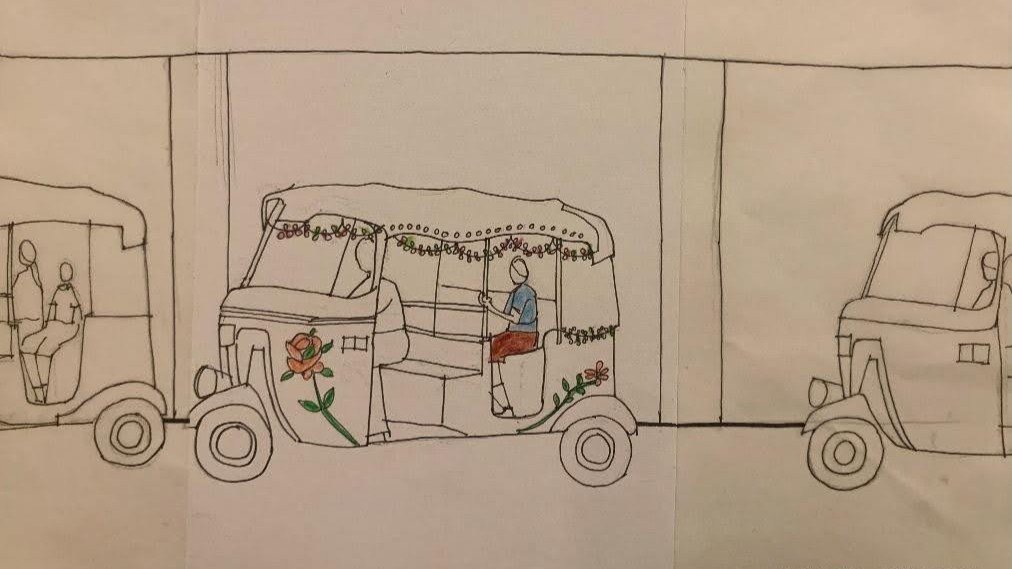
I was immediately impressed by the three-wheeled, two-seater motorized carriages; they were notable both for their engaging appearance and the dynamic experience they offered. Their owners lavished care on every inch, covering them in bold colors, ornate designs, and hand-painted scenes. In Karachi, it seemed, even transportation aspired to be art.
My rides were not simply thrills; they were my first lessons in embracing the unfamiliar, reading human systems, and finding patterns in chaos.
The dorm room I shared with my brothers was small, but it quickly became my base camp. Each morning, after they left for class, I was left with the hum of the city outside my balcony. I couldn’t speak Urdu, but I could read the rhythm of the streets, and the rhythm kept calling. It didn’t take long to discover that “airport” was a magic word—one every rickshaw driver understood.
The chapter closes with transitions to Lahore and Murree, encounters with a diverse student community, and a foreshadowing of my deeper connection with Pakistan—a region that would later shape my identity, emotional memory, and worldview.
CX Lessons Extracted from the Narrative
| Narrative Moment | CX Insight | Application to CX & Leadership |
| First encounter with Karachi’s chaotic, colorful streets | Customers judge experiences using emotional “sensory markers” | Design touchpoints that intentionally appeal to senses and emotions—not just functionality |
| Fascination with rickshaws, their colors, care, and craftsmanship | Aesthetic delight elevates utility | Small, deliberate design choices create emotional lift and differentiation (“joy in the ordinary”) |
| Learning the rhythm of the streets without the language | Customers read patterns long before they understand systems | Reduce cognitive load—make experiences intuitive so customers can “read” their way through them |
| The airport as a universal word that gave safety and direction | Customers cling to familiar anchors in unfamiliar journeys | Provide clear guideposts, simple wayfinding, and familiar cues that reduce anxiety |
| Flipping over in the rickshaw but not getting hurt | Friction and failure moments shape memory more than successes | Anticipate failure, build safeguards, recover fast—moments of truth define loyalty |
Leadership Takeaway
1. Design for emotion, not just efficiency.
2. Make fairness visible.
3. Empathy is not optional in leadership.
4. Encourage exploration.
5. Build belonging into your culture.
Closing Thought
Whether in Karachi’s bustling bazaars or in the organizations we lead today, one truth remains constant:
Human beings crave understanding, safety, delight, and belonging. Customer experience is the discipline of delivering exactly that.