



Issue 6: Lahore at the Beginning
Theme: Human kindness expressed through trust, dignity, and belonging shapes who we become.
Within our journey lie valuable insights into the ways our life experiences shape who we are and how we serve others. At its core, human experiences remind us that our past is not separate from our professional lives; instead, it informs us of the way we listen, empathize, and design meaningful experiences.
By reflecting on lived moments, we uncover timeless truths that guide us toward better human connections, stronger organizations, and more impactful service.
Together, we will explore how personal history becomes professional wisdom —and how those reflections can empower us to elevate CX in every interaction.
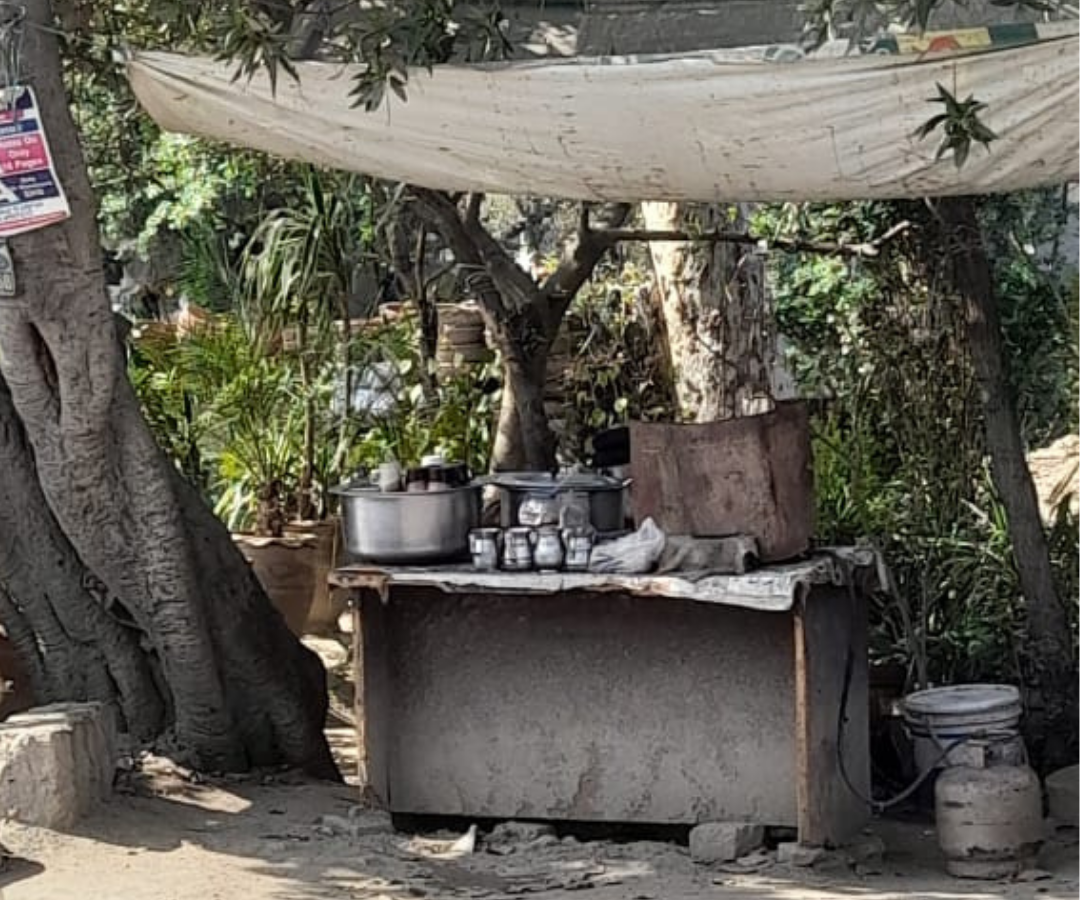
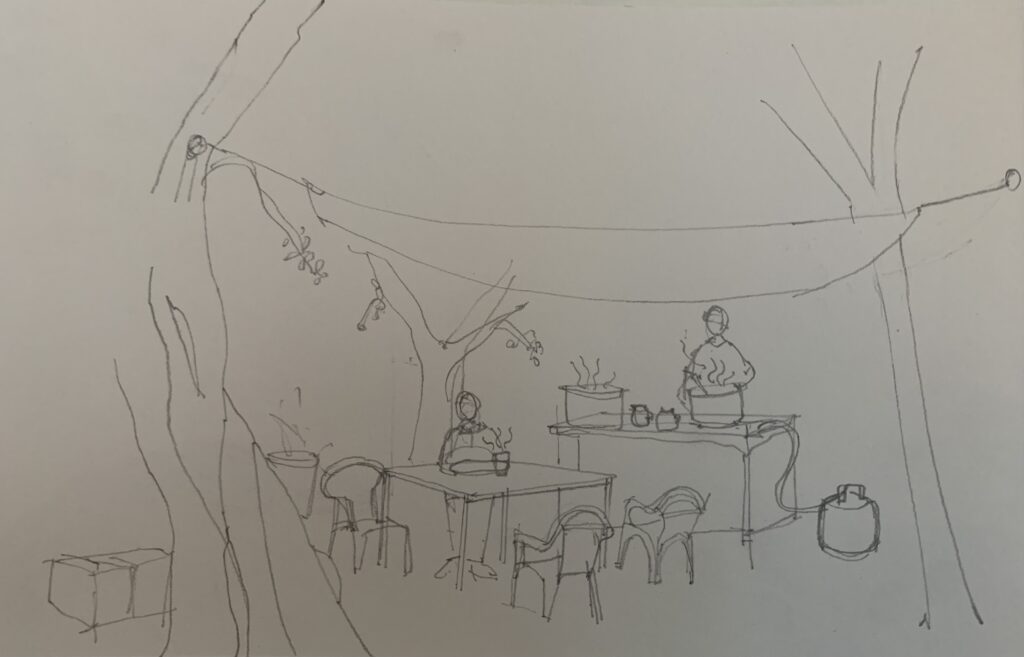
Cha Cha’s Sidewalk Cafe
I arrived in Lahore in 1968, uncertain about tomorrow and carrying the ache of being alone. My parents were gone, my brothers had returned to South Africa, and I found myself in a city that was vibrant, unpredictable, and utterly foreign. Over time, Lahore became my classroom—not just in academics, but in life itself. Through the kindness of people like Iqbal Bhai, Papa and Mama, and Cha Cha, I discovered lessons that have shaped not only who I became but also how I now view Customer Experience (CX) and leadership.
My Reflections Summarized
Those early years were defined by uncertainty, freedom, and quiet resilience. I learned to adapt—to rely on myself—but also to recognize the extraordinary power of trust, generosity, and belonging. Each person I met offered something bigger than survival: they showed me the essence of humanity.
- Iqbal Bhai, the quiet photographer, gave me unconditional trust—lending me money when I needed it most, asking for nothing but a promise to repay.
- Papa and Mama, the family who made me feel seen and included, restored my sense of home and belonging.
- Cha Cha, the humble food vendor, gave me food and dignity when I had no money—and never once made me feel ashamed.
These human encounters became the foundation of my life philosophy, and years later, they shaped my understanding of CX: every person, every interaction, every gesture has the power to restore trust, evoke dignity, and create loyalty without saying a word.
CX Lessons Extracted from the Narrative
| CX Theme | My Experience | What I Learned | How it Applies to CX |
| Empathy & Human Understanding | Iqbal Bhai’s quiet generosity | The best service begins by recognizing unspoken needs | Train teams to notice emotional cues; leadership starts with listening |
| Trust as the Foundation | “Pay me back when you can” | Trust builds deeper loyalty than any transaction | Empower employees to act on trust instead of rigid policy |
| Preserving Dignity | Papa and Mama’s driver always came for me | Dignity is part of service—it protects pride and value | Design experiences that never compromise customer dignity |
| Belonging & Connection | Their home became my refuge | Belonging makes people stay, not benefits or features | Build communities that make customers feel at home |
| Kindness as Core Value | Cha Cha fed me without expectation | Small kindnesses create lasting emotional impact | Encourage moments of compassion—it’s the soul of CX |
| Resilience & Growth | Navigating life alone in Lahore | Self-reliance and adaptability emerge from uncertainty | Cultivate resilience in teams facing evolving customer needs |
| Emotional Return on Investment | The debt I carried was one of humanity | Emotional value lasts longer than economic value | Measure experiences by the emotions they leave behind |
Leadership Takeaway
1. Lead with humanity. Like Iqbal Bhai, I’ve learned that real leadership begins with trust, not control.
2. See people, not roles. Papa and Mama taught me that true recognition transcends position—it’s personal.
3. Design quiet empathy. The best leaders communicate care in subtle, consistent ways.
4. Foster belonging. Inclusion isn’t policy—it’s presence, warmth, and genuine acceptance.
5. Turn adversity into empathy. My struggles in Lahore made me more compassionate, more patient, and more aware of others’ silent battles.
Closing Thought
Those encounters in Lahore didn’t just teach me how to survive; they taught me how to serve. Today, every time I teach or lead in the realm of customer experience, I draw on those same lessons.
Because at its heart, CX isn’t about technology, metrics, or process—it’s about people choosing to be kind when they don’t have to be.
* Some content/design elements in this HXI were assisted by AI tools, with final editing by the CXU team.
Biography of Mohamed Latib
Mohamed Latib, Ph.D., established CX University, leveraging his extensive background as a customer experience (CX) specialist and his academic tenure, including roles as a professor, Dean, and Vice President at various distinguished institutions, spanning over 35 years. Latib has been a pioneer in adult
continuing education globally, including in the United States, Europe, Asia, and Latin America. With a career in CX spanning over three decades, Latib co-founded a previous company where he deployed customer feedback systems for notable brands such as Kohl’s, Fossil, TransUnion, The World Bank, Project Management Institute, Citibank, and more.
Under his leadership, CX University has influenced the CX discipline globally and was recognized by CXPA in 2022 with the Impact Award. CXU is also recognized as among the best CX certification programs in the USA. Latib has spearheaded several cultural transformation efforts and contributed to developing senior executives at companies like Air Products, Pennsylvania Power & Light, Siemens, Smithfield Meats, Dominion Textiles, Unisys, and others.
An accomplished author, he has written numerous articles and papers. He earned an MS in Psychology, an MBA, and a Ph.D. in Business Administration focusing on Organizational Behavior, Human Resources, and Strategy from the Fox School of Business and Management at Temple University.